So, you’ve decided to take the plunge and ditch the old gas guzzler for an air source heat pump (ASHP). Honestly, it’s a great move. Not only are you doing your bit for the planet, but with the government’s Boiler Upgrade Scheme offering hefty grants, there’s never been a better time to make the switch.
But here’s the thing: heat pumps aren't just "plug and play" like your old combi boiler. They’re sophisticated pieces of tech that work very differently. We see a lot of homeowners getting frustrated because their bills haven’t dropped as much as they expected, or their house feels a bit chilly in February. Most of the time, it’s not the heat pump’s fault, it’s usually down to one of a few common mistakes.
At Herofix, we want you to love your new heating system. To help you get the most out of your investment, we’ve rounded up the seven most common mistakes homeowners make with air source heat pumps and, more importantly, how you can fix them.
1. Getting the Sizing Wrong (The Goldilocks Problem)
This is probably the biggest mistake we see. With a gas boiler, "bigger is usually better." If you have a massive boiler for a small house, it just turns off when the water is hot. No big deal.
With an air source heat pump, it’s the opposite. If the unit is too big, it will "short-cycle", meaning it turns on and off constantly. This is incredibly inefficient and puts a massive amount of wear and tear on the compressor. If it’s too small? Well, you’ll be wearing your big winter coat inside while the pump works overtime and racks up a huge electric bill.
How to Fix It:
Don’t guess, and don't let a contractor guess based on the number of bedrooms you have. You need a proper room-by-room heat loss calculation. This looks at your wall types, windows, and floor area to determine exactly how much energy each room needs to stay warm. At Herofix, we take this seriously because getting the size right is the foundation of a happy, warm home.
2. Neglecting Your Insulation
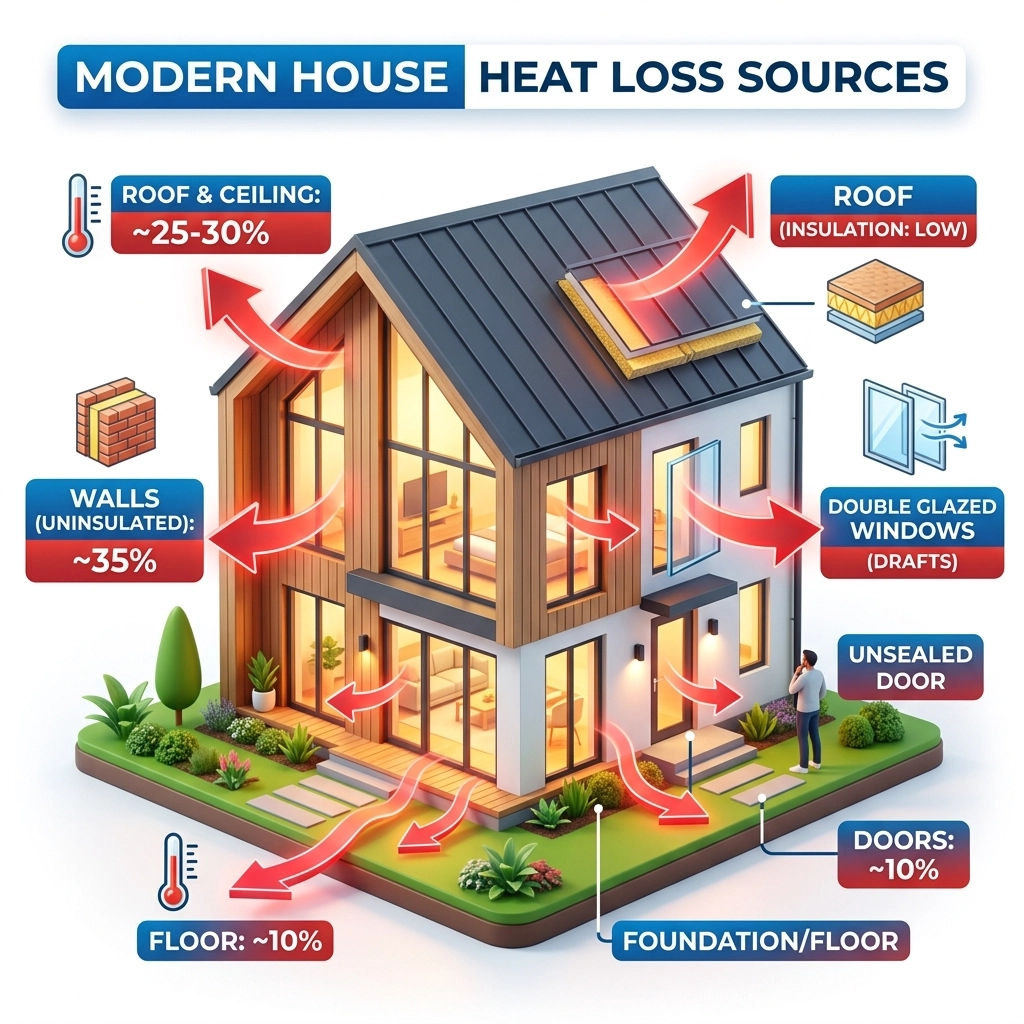
Think of your heat pump like a small, steady flame and your house like a bucket. If the bucket has holes in it (poor insulation), the flame will never be enough to fill it with heat.
Heat pumps work best when they provide a low, steady flow of heat over a long period. If your home is leaking energy through old windows or a poorly insulated loft, the heat pump will struggle to keep up. This often leads people to think "heat pumps don't work," when the reality is their house just wasn't ready for one yet.
How to Fix It:
Before you even install the pump, check your loft insulation and cavity wall insulation. If you have single-glazed windows, consider upgrading them or at least adding heavy curtains. A well-insulated home allows the heat pump to run at a lower flow temperature, which is where the real energy savings happen.
3. Poor Placement of the Outdoor Unit
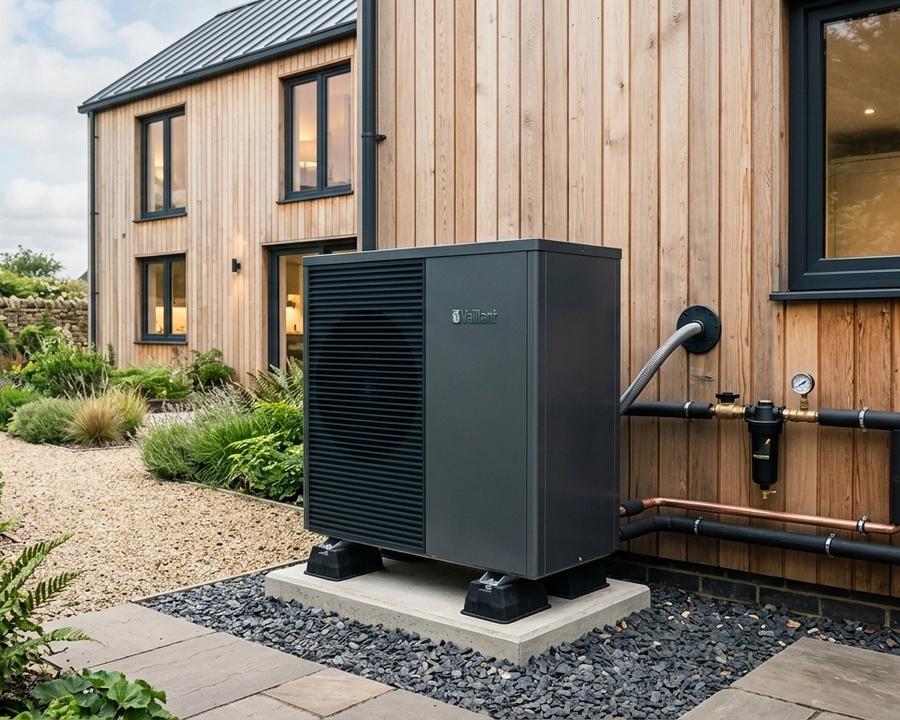
Where you put the "big fan box" matters more than you think. Some homeowners try to hide it behind a dense hedge or inside a shed to keep it out of sight. The problem? Air source heat pumps need air. Lots of it.
If you restrict the airflow, the unit will end up recirculating the cold air it has just discharged. This makes the pump work much harder to extract heat, tanking your efficiency. You also need to consider noise; while modern pumps are very quiet, you still don't want it right under your bedroom window or facing your neighbor's patio.
How to Fix It:
Ensure there is at least a 30cm to 50cm gap behind the unit and a clear path of several meters in front for the cold air to blow away. Also, make sure it’s mounted on a solid, level base (like a concrete plinth or specialized mounting feet) to minimize vibrations.
4. Keeping Your Old, Small Radiators
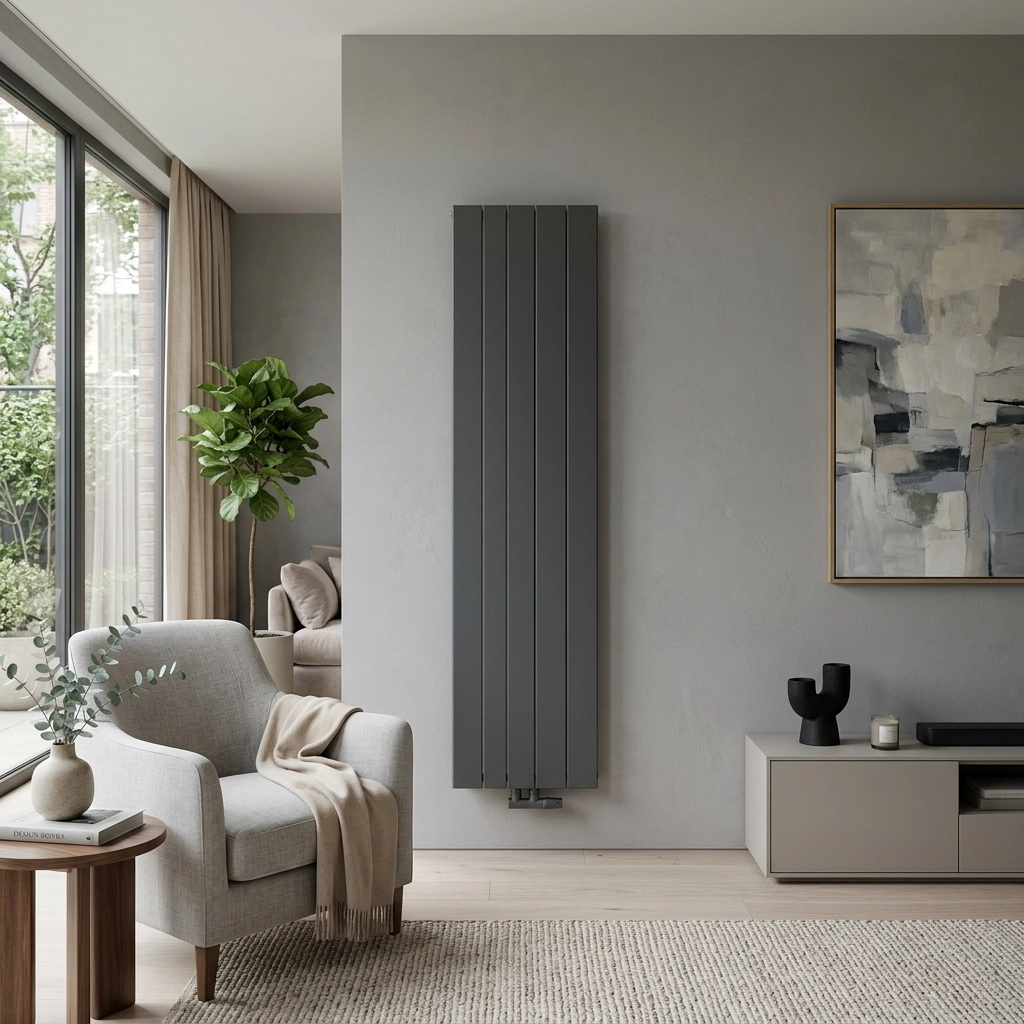
Traditional boilers send water to your radiators at around 70°C. That’s why they feel scorching to the touch. Air source heat pumps are much more efficient when they run at lower temperatures, typically between 35°C and 55°C.
If you try to use the same small radiators you had with your old boiler, they simply won't have enough surface area to heat the room using that lukewarm water. You’ll end up turning the heat pump temperature up to compensate, which makes your electricity bill skyrocket.
How to Fix It:
You don’t necessarily need underfloor heating (though it is amazing with heat pumps!), but you might need larger radiators or "oversized" ones. Alternatively, you can look into solar panels to help offset the electricity costs if you do need to run the system at a slightly higher temperature.
5. The "Boiler Mindset" (Messing with the Thermostat)
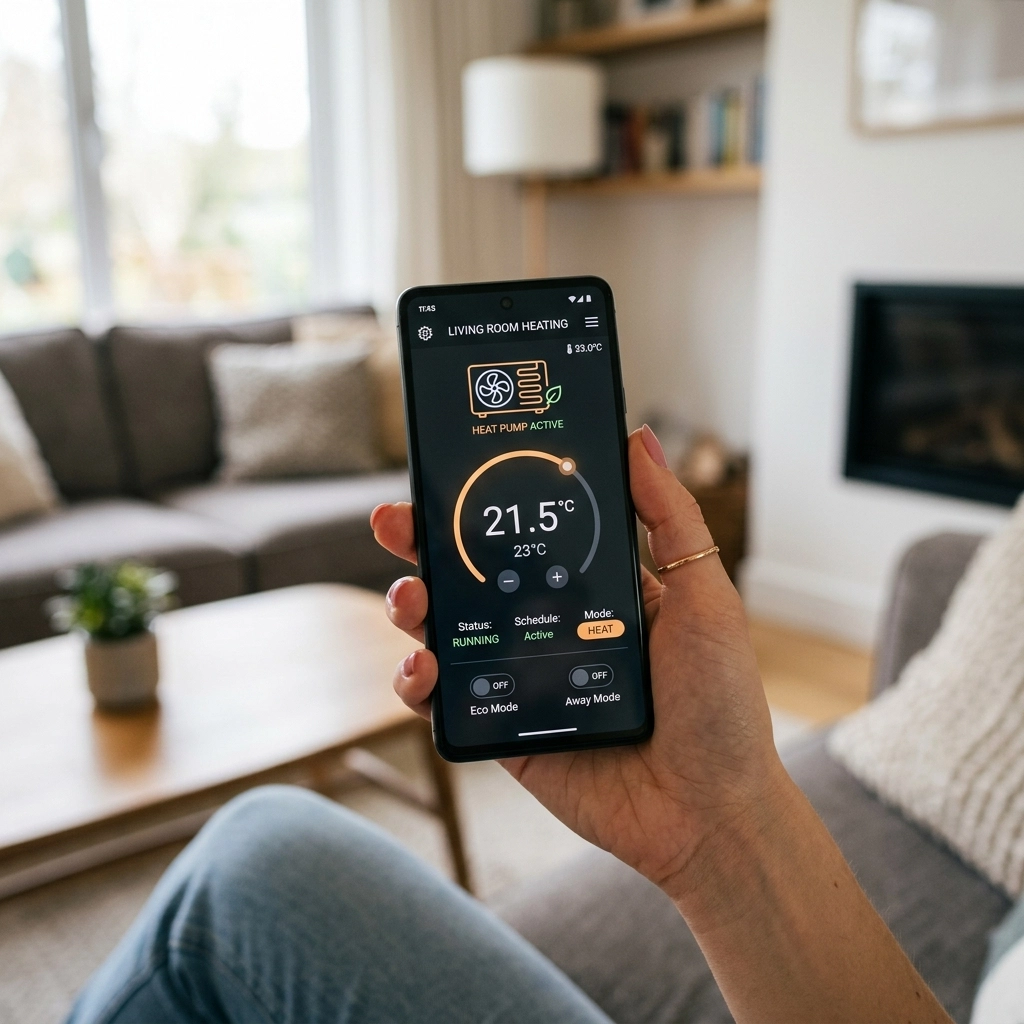
We’ve all done it: you come home to a cold house, crank the thermostat up to 25°C, and wait for the blast of heat. With a boiler, that works. With a heat pump, it’s a recipe for disaster.
Heat pumps are designed for "low and slow." They aren't meant to provide a sudden burst of heat. If you turn the heating off completely while you’re at work and then try to boost it when you get home, the heat pump will go into its most inefficient "boost" mode to try and catch up.
How to Fix It:
Adopt a "set it and forget it" mentality. Instead of turning the heating off, set a "setback" temperature. For example, have it at 20°C when you’re home and 17°C when you’re out or asleep. This keeps the fabric of the building warm and allows the pump to tick along at its most efficient level. Using a smart thermostat can help automate this for you.
6. Skipping the System Balancing
Even if you have the right size pump and the right radiators, your system might still feel "off" if it isn't balanced. Balancing is the process of adjusting the flow of water to every radiator in the house so they all heat up at the same rate.
If the water is zooming through the radiators closest to the pump but barely reaching the ones at the end of the house, you’ll have rooms that are boiling and others that are freezing. This causes the pump to run longer than it needs to.
How to Fix It:
A professional installer should balance your system during the commissioning phase. If you notice certain rooms are consistently colder than others, it might be time to call in an expert to re-balance the valves on your radiators. It’s a small tweak that makes a world of difference.
7. Forgetting the Yearly Maintenance
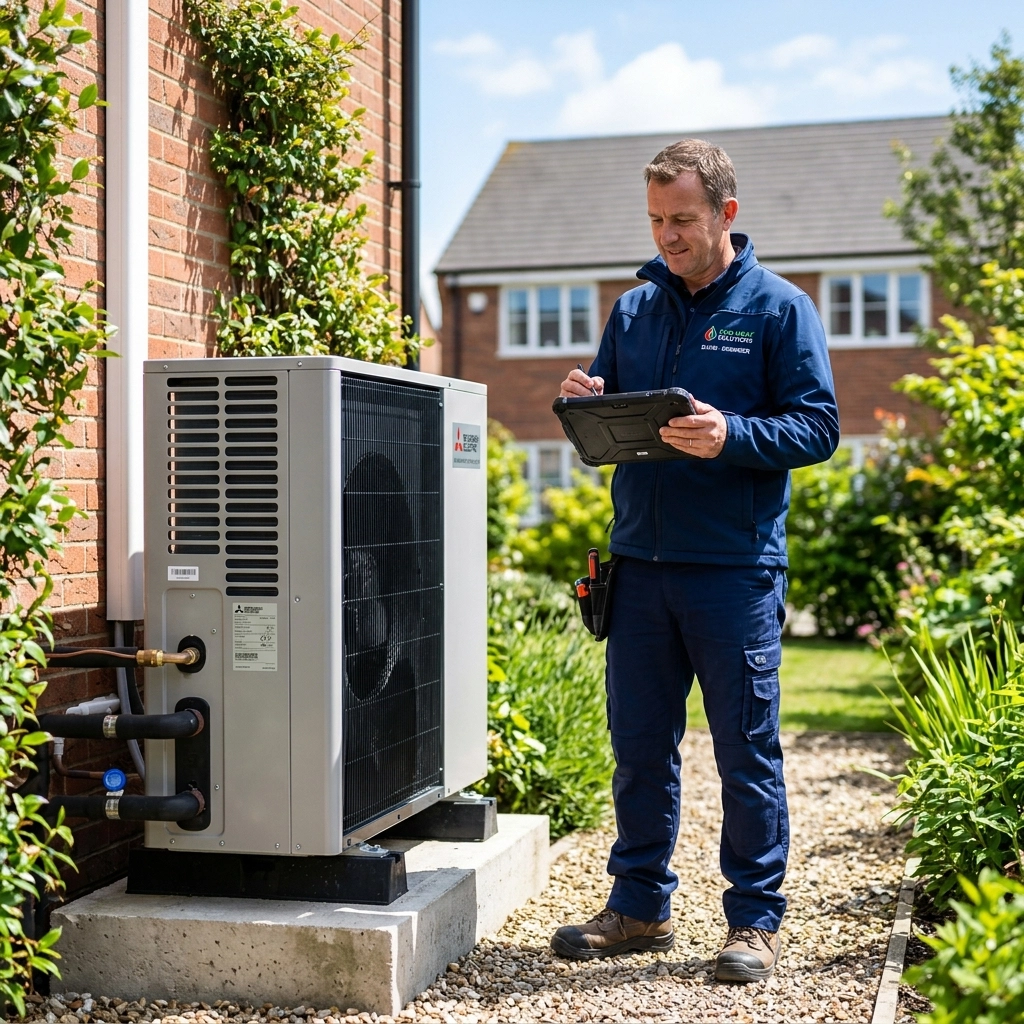
Since there’s no "fire" inside a heat pump, people often assume they don’t need servicing. While they are generally more reliable than gas boilers, they still have moving parts, fans, and refrigerant gas that need checking.
A common issue is the external evaporator coil getting clogged with leaves, dust, or pet hair. If the air can't get through the coil, the pump can't do its job. Also, check the "anti-freeze" levels (glycol) in the system to ensure your pipes don't burst during a heavy UK frost.
How to Fix It:
Get your system serviced once a year by an MCS-certified engineer. It keeps your warranty valid and ensures everything is running at peak performance. Between services, keep an eye on the outdoor unit and clear away any debris or snow that might be blocking the fan.
Conclusion: Making the Most of Your Heat Pump
Switching to an air source heat pump is one of the best things you can do for your home’s energy future. It’s cleaner, quieter, and: when done right: much cheaper to run. By avoiding these seven common mistakes, you’ll ensure your home stays toasty warm all winter without any nasty surprises on your utility bill.
If you’re thinking about making the switch or if your current system isn't performing quite right, we’re here to help. At Herofix, we specialize in supplying and fitting the best in solar panels, batteries, and of course, highly efficient heat pumps.
Ready to upgrade your home's energy? Get a quote from Herofix today!