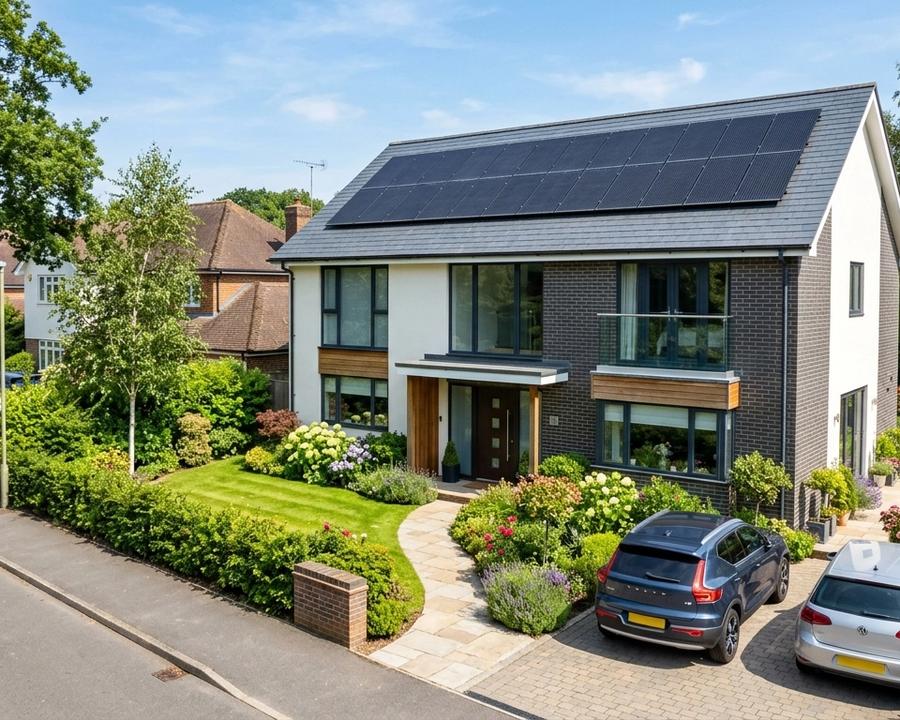
So, you’re thinking about making the switch to solar? Smart move. With energy prices doing whatever they want lately, taking control of your own power is one of the best things you can do for your home (and your wallet).
But let’s be honest: solar panels are a bit of an investment. That’s why everyone is talking about solar panel grants in the UK. The problem is, the world of government funding can be a bit of a maze. One minute a grant is there, the next it’s replaced by something with a different name and a 50-page manual.
At Herofix, we help homeowners navigate this every day. To make your life easier, we’ve rounded up the 10 most important things you need to know about solar panel grants in the UK right now.
1. ECO4 is Evolving into the Warm Homes Plan
For the last few years, ECO4 was the "big one." It provided thousands of low-income households with free solar panels and insulation. As of early 2026, the ECO4 scheme is wrapping up its current phase, and the government is shifting focus toward the Warm Homes Plan.
The goal remains the same: helping households with lower incomes or inefficient homes reduce their carbon footprint and bills. If you were looking for ECO4, don't worry: the new Warm Homes Plan is where you should be looking now. It’s designed to be even more streamlined, so it’s worth checking if your local council has opened applications yet.
2. You Can Get Paid for Your Extra Power (SEG)
While not technically a "grant" that pays for the installation upfront, the Smart Export Guarantee (SEG) is essentially a long-term subsidy.
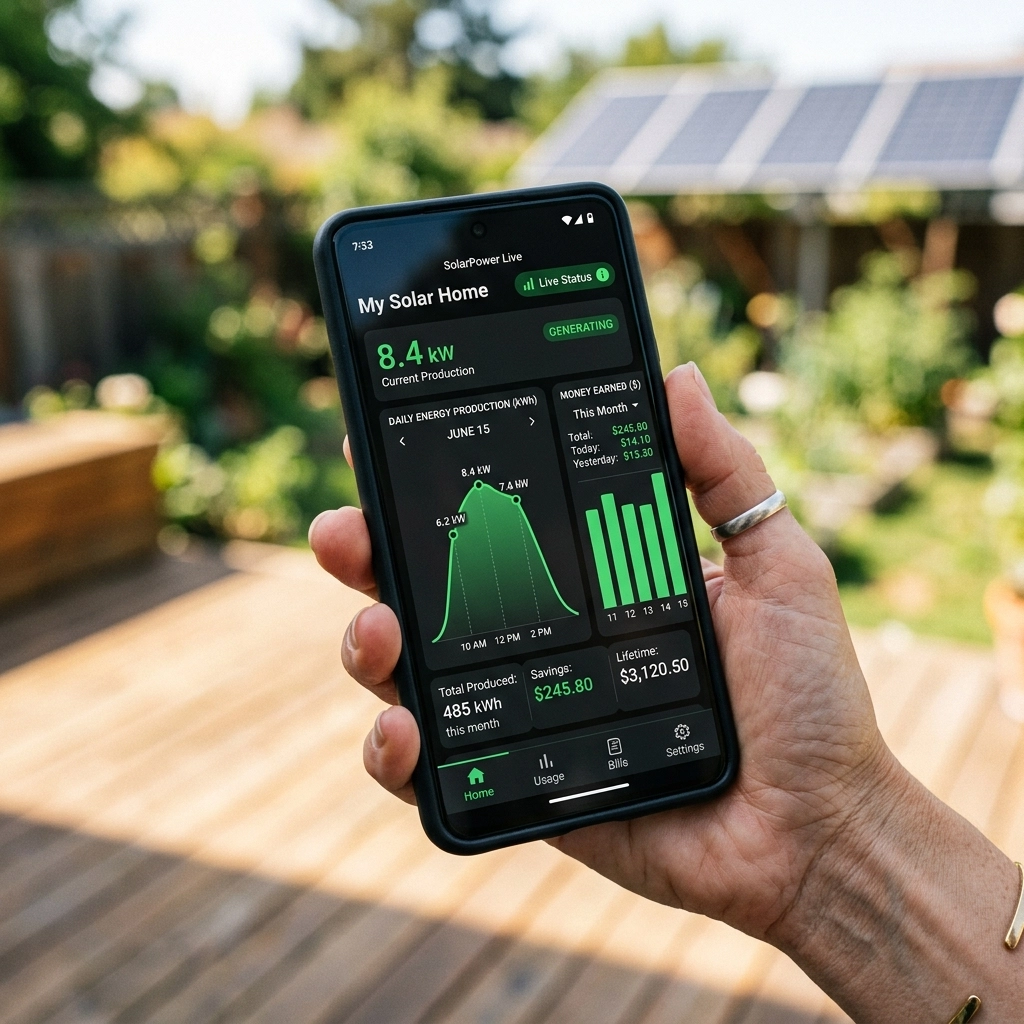
Think of it this way: when your panels produce more electricity than you’re using (like on a sunny Tuesday when you’re at work), that power goes back into the national grid. Under the SEG, energy suppliers are legally required to pay you for that electricity. Rates usually range from 4p to 15p per kWh. Over a year, this can add up to hundreds of pounds in your pocket, effectively "granting" you a faster payback period for your system.
3. The 0% VAT "Discount" is Still Alive
This is the one grant that everyone gets, regardless of income. Until March 2027, the UK government has set the VAT on solar panels, batteries, and heat pumps to 0%.
Usually, home improvements carry a 20% VAT tag. By removing this, the government has essentially given every homeowner a 20% discount on their solar installation right out of the gate. On a typical £7,000 system, that’s a saving of £1,400. You don’t even have to apply for it: it’s just deducted from your quote by installers like us at Herofix.
4. Your EPC Rating is the Golden Ticket
Most solar grants aren't just based on how much you earn; they’re based on how "leaky" your house is. Your Energy Performance Certificate (EPC) rating is crucial here.
Most grants, including the Warm Homes Plan, target houses with an EPC rating of D, E, F, or G. If your home is already an A or B, you’re doing great, but you likely won’t qualify for the big upfront grants. The idea is to help the least efficient homes catch up first. Not sure what your rating is? You can check the government's EPC register for free.
5. LA Flex: The "Loophole" You Should Know About
"LA Flex" stands for Local Authority Flexible Eligibility. It sounds boring, but it’s actually great. It allows local councils to set their own rules for who gets a grant.
Under LA Flex, you might qualify for solar funding even if you don't receive government benefits. For example, if you have a high energy bill relative to your income, or if someone in your household has a health condition made worse by a cold home, you could still be eligible. It’s always worth calling your local council to see what their specific LA Flex rules are.

6. Battery Storage is Often Included
In the past, grants only covered the panels themselves. But the government has realised that solar panels are much more effective when paired with a battery.
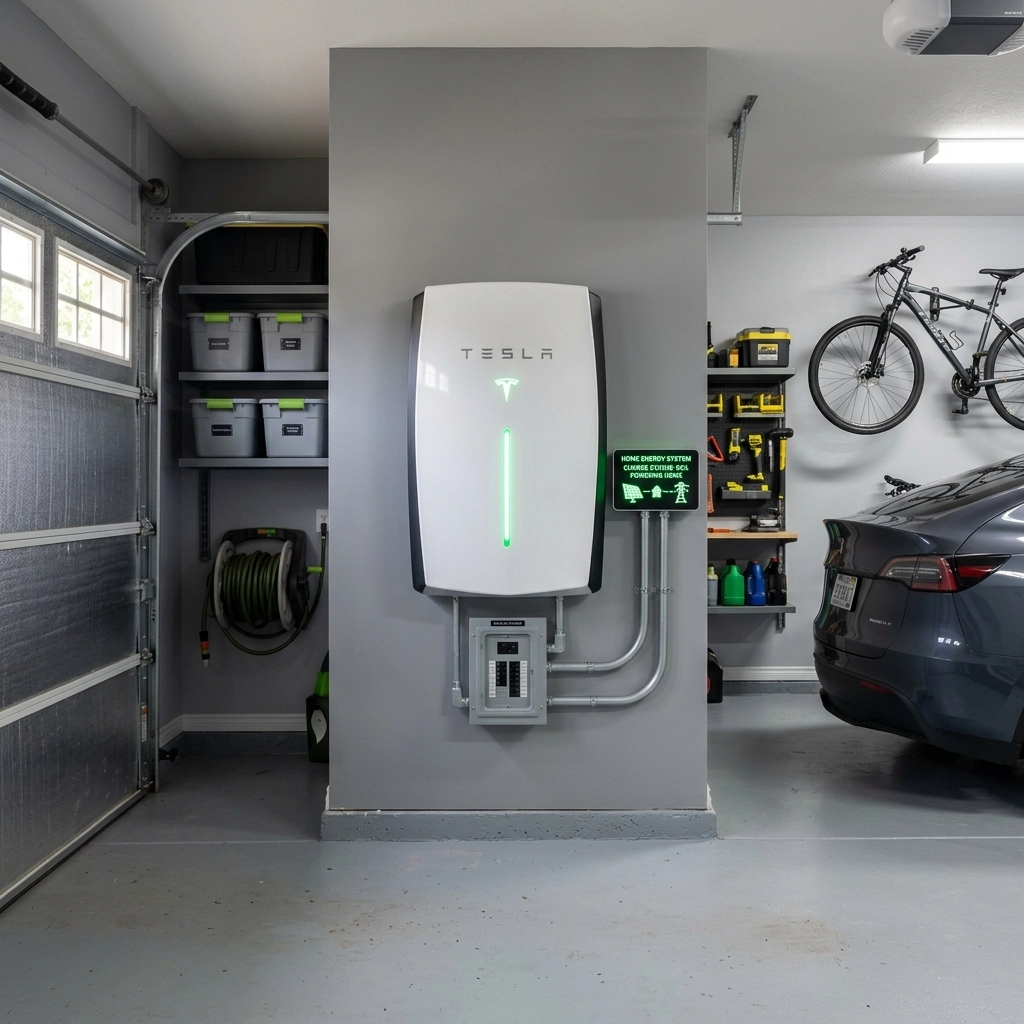
Why? Because a battery lets you store the power you make during the day to use at night. Many modern grants now cover the cost of solar battery storage as part of the package. Even if you're paying for your system yourself, the 0% VAT rule applies to batteries too (as long as they are installed at the same time as the panels).
7. Regional Differences Matter (Scotland & Wales)
If you live in Scotland or Wales, the rules are slightly different: and often even more generous.
- Scotland: Home Energy Scotland offers interest-free loans and significant grants for renewable energy.
- Wales: The "Warm Homes Nest" scheme provides funding for energy-efficient home improvements, including solar, for those who meet certain criteria.
Wherever you are, make sure you’re looking at the rules for your specific neck of the woods!
8. Beware of "Free Solar" Scams
You’ve probably seen the ads: "Government giving away free solar to everyone!"
While there are genuine grants, there are also plenty of companies using high-pressure sales tactics. A real grant will never require you to pay a "registration fee" over the phone or sign a contract on the spot without a proper survey. Always look for an MCS-certified installer. MCS (Microgeneration Certification Scheme) is the gold standard in the UK. If they aren’t MCS certified, you won't be able to claim the SEG payments later on.

9. Solar and Heat Pumps: The Power Couple
If you’re looking into solar grants, you should also look into the Boiler Upgrade Scheme. This grant provides up to £7,500 toward the cost of an air source heat pump.
The reason this matters for solar is that a heat pump runs on electricity. If you have solar panels providing that electricity for free, your heating costs drop through the floor. At Herofix, we often suggest homeowners look at these two technologies together to get the maximum benefit from available funding.
10. How to Start Your Application
The first step isn't actually applying: it’s finding out if it’s worth it. Even without a grant, solar is more affordable than ever, but if you do qualify for help, you want to move fast before the funding pots run dry.
Check your EPC: See if you're in the D-G range.
Verify your benefits: If anyone in the house receives Universal Credit, Pension Credit, etc., you’re a prime candidate.
Contact your Council: Ask about "LA Flex" or "Warm Homes Plan" funding.
Get a Quote: Contact a trusted installer like Herofix to see what a system would actually look like on your roof.
Wrapping It Up
Getting solar panel grants in the UK in 2026 is definitely possible, but it requires a bit of homework. Whether you qualify for a full grant or just want to take advantage of the 0% VAT and SEG payments, there has never been a better time to generate your own clean energy.
Ready to see how much you could save? Head over to Herofix and let's get your home powered by the sun!