If you’ve been sitting on the fence about solar for the last few years, you’re not alone. We’ve all seen the headlines. One day solar is "the cheapest energy in history," and the next, someone is complaining about the upfront "sticker shock."
Now that we’re firmly in 2026, the landscape has changed. Energy prices aren’t what they were in 2020, and the technology has taken a massive leap forward. So, the big question remains for UK homeowners: Does the solar panel cost really matter anymore? Or should we be looking at something else entirely?
At Herofix, we talk to homeowners every day who are worried about that initial investment. They want to know if they’ll ever actually see that money back in their bank accounts.
In this guide, we’re going to strip away the jargon and give you the cold, hard truth about solar panel costs and payback periods in 2026.
The "Sticker Price" in 2026: What are we looking at?
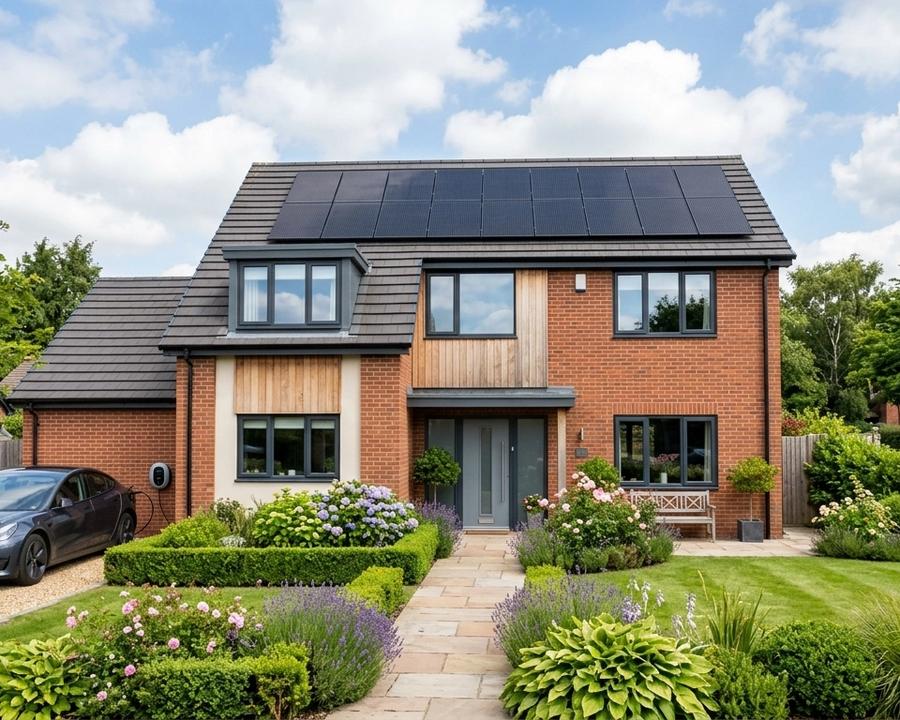
Let’s talk numbers first. If you’re looking to kit out a standard three-bedroom home in the UK right now, the average cost for a 4kW solar system is sitting around £7,505.
Of course, that’s just an average. Depending on where you live and the complexity of your roof, you might see quotes anywhere from £6,000 to £8,000 for the panels and installation.
Wait, didn't solar prices used to be higher? Yes! Costs have actually fallen by about 40% since 2020. While they’ve stabilised a bit over the last year, we are currently in a "sweet spot" where the tech is incredibly efficient, and the 0% VAT incentive is still helping keep prices down.
The 0% VAT "Clock is Ticking"
One major reason the cost matters now more than it might in a year is the current tax break. Right now, solar panels are VAT-free in the UK. This saves the average homeowner between £1,000 and £2,000 on their installation. However, this incentive is currently set to expire in March 2027. If you’re waiting for prices to drop significantly further, you might find that any price drop is wiped out by the return of a 20% VAT rate.
The Payback Period: When do you break even?
This is where the "cost" of solar panels starts to matter a lot less. Think of solar not as a purchase, but as an investment: like a high-interest savings account that lives on your roof.
In 2026, the average payback period for a standard 4kW solar system is between 6 and 7 years.
Given that modern panels are designed to last 25 to 30 years, that means you’re looking at nearly two decades of essentially "free" electricity after you’ve cleared the initial cost. Over 25 years, a typical 4kW system can save you upwards of £24,000 on your energy bills.
How the Energy Price Cap affects your payback
As of January 2026, the Ofgem price cap sits at 27.69p per kWh. While there are whispers of prices dipping slightly later this year, the long-term trend for grid electricity remains unpredictable. Every time the price of grid electricity goes up, your "payback" happens even faster. When you generate your own power, you are essentially "locking in" your electricity price for the next 25 years at £0.00.
Solar Only vs. Solar + Battery: Which wins?
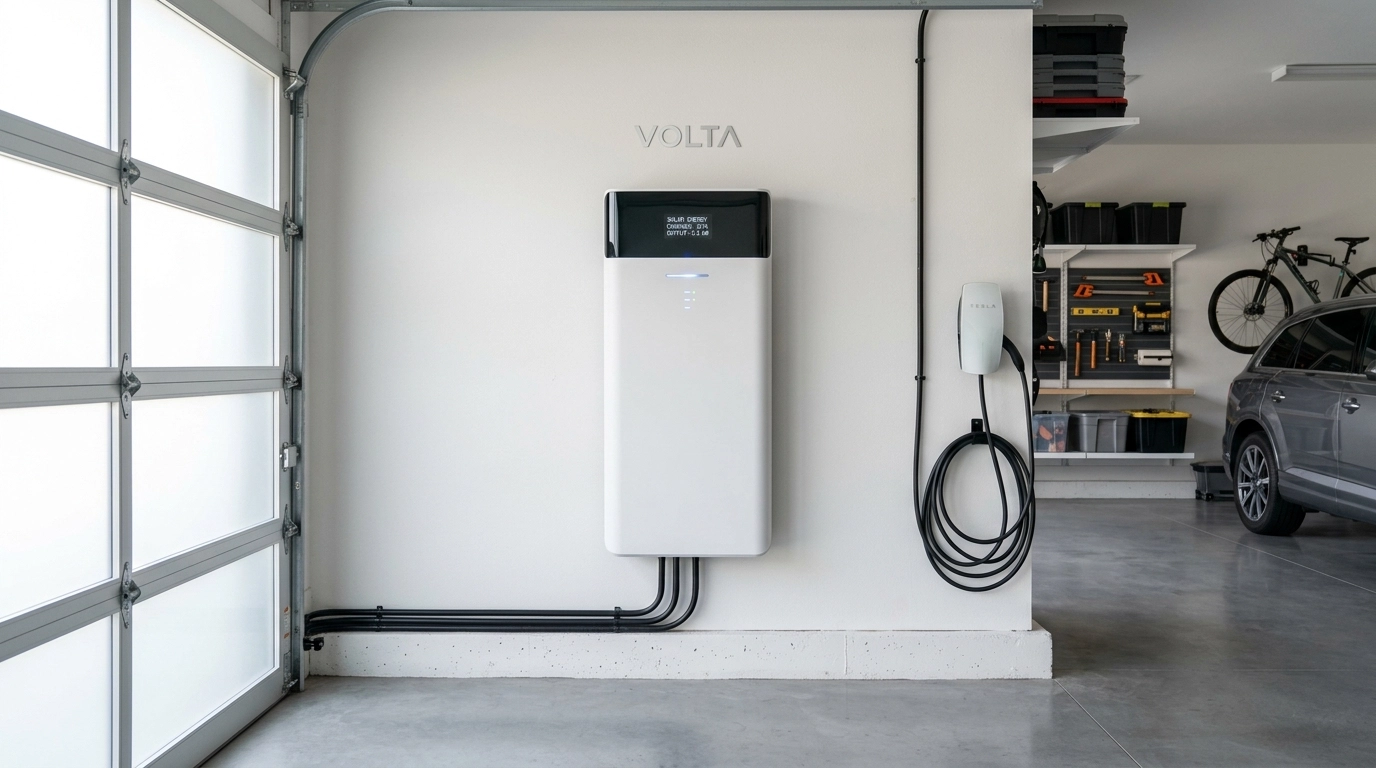
When people talk about "solar panel cost," they often forget to mention the battery. Adding a 5kWh battery storage system typically adds about £4,000 to £5,000 to your total bill.
So, does the higher cost make it a worse deal? Actually, it’s usually the opposite.
Without a battery, you can only use the power your panels generate while the sun is shining. If you’re at work all day, that's a lot of wasted energy being sent back to the grid for a few pennies. With a battery, you store that power and use it to run your TV, oven, and lights in the evening.
- Solar Only Payback: 6–7 years.
- Solar + Battery Payback: 7–8 years.
Even though it takes a year or so longer to "break even," the total savings over 25 years are much higher with a battery: often reaching £29,000 to £40,000 in total bill reductions.
Don't Forget the SEG: Getting Paid to Go Green
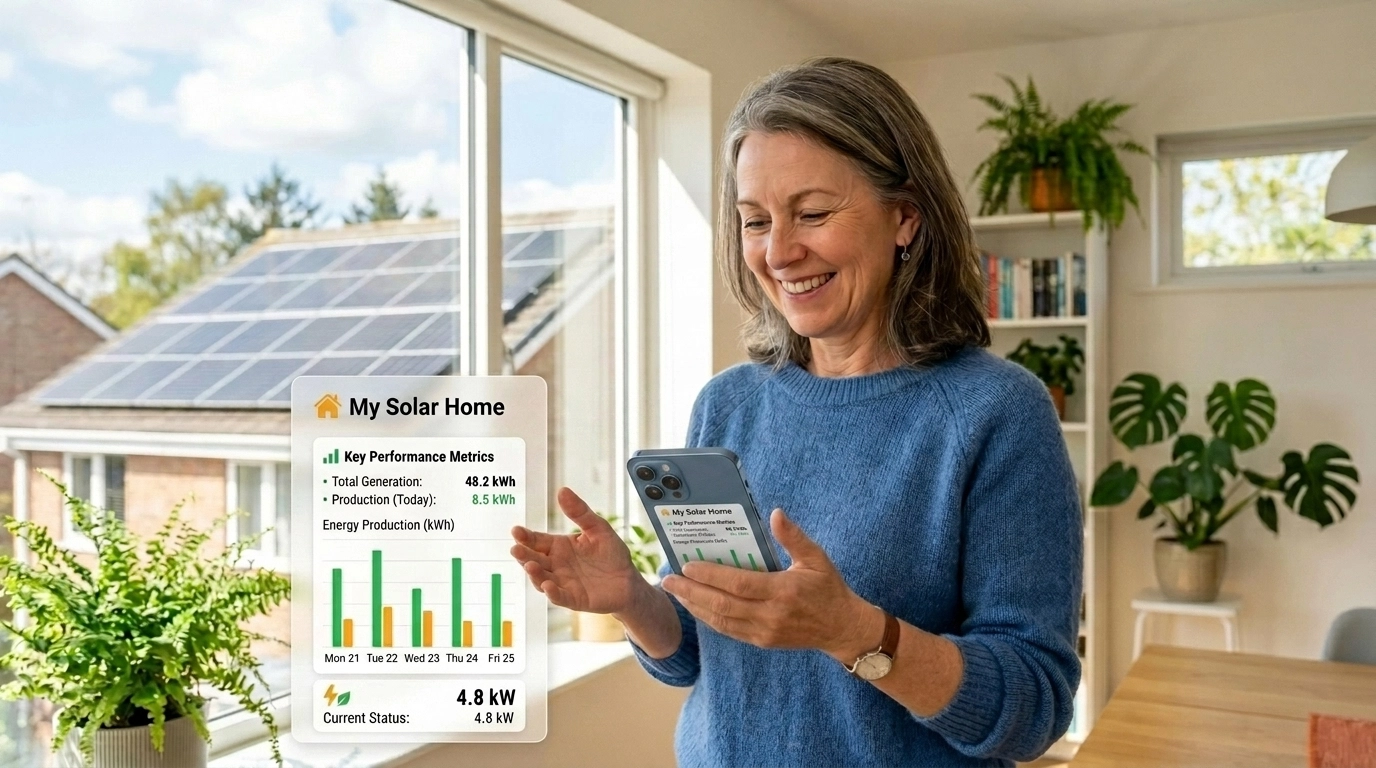
The Smart Export Guarantee (SEG) is another reason the upfront cost shouldn’t scare you off. In 2026, most major energy suppliers are paying between 4p and 8p per kWh for the excess electricity you send back to the grid.
While it’s not enough to buy a private island, it’s a nice little "cash back" feature that chips away at your installation cost every single month. When you combine your bill savings with your SEG payments, the "cost" starts to feel much more like a profitable business venture.
Why the Initial Cost Can Be Deceiving
If you look at a quote for £7,500 and think "I can't afford that right now," you’re missing the bigger picture. In 2026, there are more ways to pay for solar than ever before. Many homeowners are opting for:
Green Mortgages: Many lenders now offer lower interest rates or additional borrowing specifically for energy-efficient home improvements like solar panels.
Solar Financing: Spreading the cost over 5 or 10 years often means your monthly loan payment is actually less than what you’re saving on your energy bill. In other words, the panels pay for themselves from day one.
Local Grants: Depending on your area and your home’s EPC rating, there may still be local authority grants available to help cover the cost of heat pumps or solar arrays.
The "Cost of Doing Nothing"
The one thing people rarely calculate is the cost of not installing solar. If you don't spend £7,500 today, what will you spend on electricity over the next 25 years?
Based on current 2026 prices, the average UK household will spend over £45,000 on electricity in the next 25 years (and that’s assuming prices don't rise at all!).
When you compare a £7,500 one-time investment to a £45,000 lifelong bill, the "cost" of the panels starts to look like the bargain of the century.
The Verdict: Does the cost matter in 2026?
The truth? The cost matters, but not for the reasons you think.
It matters because we are currently in a rare window where technology is peak-efficient, installation costs are at a historic low, and the 0% VAT incentive is still active.
Waiting for panels to get "even cheaper" is a risky game. With the VAT exemption ending in 2027 and the constant fluctuations of the energy market, the best time to lock in your savings is right now.
At Herofix, we don't just fit panels; we help you design a system that maximizes your ROI. Whether you're looking for a simple solar array or a full home energy overhaul including heat pumps and batteries, we’re here to make the transition simple.
Ready to see what your specific payback period looks like?
Get a free, no-obligation quote from the Herofix team today and start turning your roof into a revenue stream.
Summary Checklist for 2026 Homeowners:
- Avg Cost (4kW): £7,505
- Avg Payback: 6–8 years
- VAT Rate: 0% (until March 2027)
- Total 25-Year Savings: £24,000+
- Top Tip: Add a battery to maximize your self-consumption and protect yourself from evening price spikes.